

I01: Limits to Growth
Site Viability
The CornerStone project’s inception predates evolution Projects ownership. Previous ownership groups worked with WSP, the project’s MEP Engineer and LBC Consultant, to identify the site that fit the necessary criteria for “previously developed” status, which qualified the Project to pursue the Place Petal.
The project site is located at the base of a long grade near the northern end of Lake Union, an urban lake connected to a manmade ship canal built over 100 years ago. During the construction of the Ship Canal and Stone Way Ave North, significant dredging and re-grading occurred, resulting in a site with poor soils, significant fill and a less than 150 SF area of a manmade steep slope area at the NE corner of the site.
The site was previously developed over 100 years ago and was mainly covered with impervious surface materials—a mix of low scale buildings built, asphalted driveways and parking areas. There were some blackberry brambles and low shrubs on a small portion at the NE corner of the site comprising less than 1% of the site area. The site was a brownfield site with contaminated soil and groundwater which was remediated during construction.
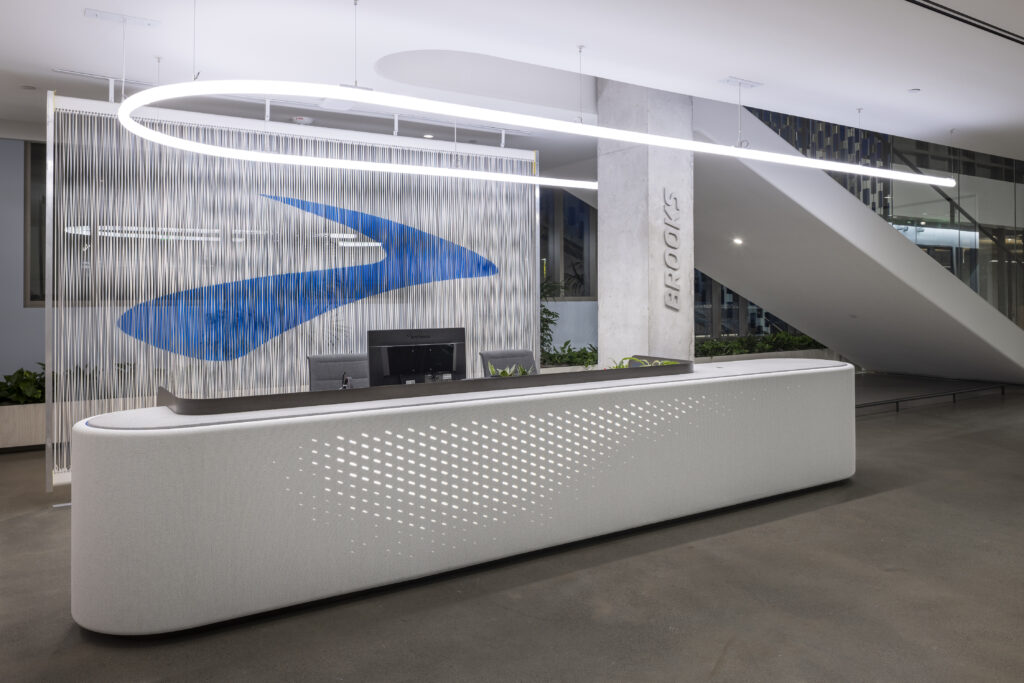
Landscape Design Process
The landscape design is comprised of a diverse mix of mainly native and adapted perennials, shrubs and small trees in the right of way continuing into the entry plaza designed to evoke a Northwest forest floor complete with nurse-logs. There are also planted biofiltration planters that treat stormwater runoff from the roof located at the entry and continuing along the south portion of the building along the pedestrian/bike ramp to the bike/locker rooms on P1.
I02: Urban Agriculture
Selection of Apiary
Several approaches to providing urban agriculture onsite were considered during the design of the project by the Design Team (WSP, Weber Thompson, and Hewitt). With limited area available at ground level for landscaping, an adequate area for fruit trees and berry-producing plants was insufficient. Additional planting for agricultural needs was also shown to increase the heavy burden for water capture, given the City of Seattle’s Living Building Pilot Program requirement to not use any potable water for irrigation. With a maximized 267,800 + gallon cistern, the team weighed the options and chose to include landscaping in areas with the most positive impact for building visitors and users—namely at the entry plaza and on the rooftop terrace.
An apiary, safely located at the far end of the roof away from the terrace, was seen as a way to not only provide onsite-produced honey to building occupants, but also to contribute to an extensive pollinator pathway located in the surrounding neighborhood. Apart from surrounding residential gardens nearby, there is ample green space and water that supports the (4) honey bee hives within their flight radius. Some examples: the adjacent Burke Gilman Trail and Ship Canal (150 feet), the Park located at the North Transfer Station (.2 miles), Gasworks Park (0.6 miles), Woodland Park (1.2 miles), Meridian Park, and the Tilth Garden (1.3 miles).
Selection of Beekeeper and Property Management
Evolution Projects worked with Blanton Turner, the Property Manager, to identify an appropriate company to establish and maintain the apiary. Blanton Turner wrote an RFP and received four responses, from which Beatriche Bees was selected as the best fit. Beatriche Bees was particularly excited about the educational component, including hosting tours as well as providing content specific to the project on their Instagram feed and to link to the Project’s website.
Due to LBC’s requirement to keep the urban agriculture area active even after initial certification is received, it was identified the Beatriche Bees contract length of 1 year wasn’t fully meeting the intent for longevity. As a solution, the Project team made sure to incorporate SF area and management requirements for the rooftop apiary in the Building’s Operations and Maintenance Manual, ensuring future ownership groups know how to maintain compliance into the future.
I03: Habitat Exchange
Evolution Projects from the beginning wanted to identify a local Land Trust within the State of Washington to meet this requirement. eP and WSP worked together to reach out to several different Land Trusts, of which two responded. Although eP would be executing the contracts, WSP’s involvement was essential to assist in explaining to the Land Trusts the background on LBC and the intent of the Habitat Exchange requirement. In this way the Land Trusts knew how to identify appropriate projects that met LBC criteria including connection to contiguous forest, and timeline of the transaction.
Although both Land Trusts had interesting and impactful projects, only one, Forterra, had a project in the appropriate transaction timeframe that met all of LBC’s criteria. The Habitat Exchange site happened to be adjacent to one of Washington’s most well-loved hikes to the beautiful Lake Serene, and so also happened to fit evolution Project’s company ethos as well.
I04: Human Powered Living
Design Elements
35 Stone is designed to encourage human powered living within the building in a few different ways. First, by supporting bike commuting to work by providing extensive bike storage and locker rooms including shower facilities. The bike room has easy access from the immediately adjacent 27-mile-long Burke Gilman Trail and Stone Way bike path, both of which connect to the complex network of bike paths located throughout Seattle and beyond.
Access was carefully considered with multi-modal access separating people, bikes and cars with distinct entry points. There is almost 20’ of drop in grade from Stone Way on the west to the east property line, creating a great deal of complexity for site access for these different uses while also offering an opportunity to keep each access point separated by user.

A large outdoor landscaped ‘living room’ entry with an overhead mass timber pergola, seating and educational signage about the Living Building Certification leads to the main pedestrian entry on Stone Way. A separate ADA accessible ramp to the bike and locker room connects the bike path on Stone Way directly into the building. Vehicular access is separated completely from bikes and pedestrians with its own driveway at the back of the site, leading to the garage entry.
An exterior feature stair is prominently located in the entry plaza with easy access for the tenant from their lobby space and all office floors. Generous oversized landings at each level allow for connection to the street and neighborhood activity and encourage casual conversation between building occupants.
Additional Opportunity for Human-Occupied Space
When evolution Projects inherited the Project, the team decided to convert a section of garage ramp into a covered patio through a Minor Master Use Permit revision. This not only increased Tenant access to outdoor space through the seasons but also allowed for a better connection from the main street to the bike & locker room via a pedestrian & bike only lane. The TI team further enhanced the locker room by adding an additional four showers to the program.
I11: Embodied Carbon Footprint
Carbon Calculations
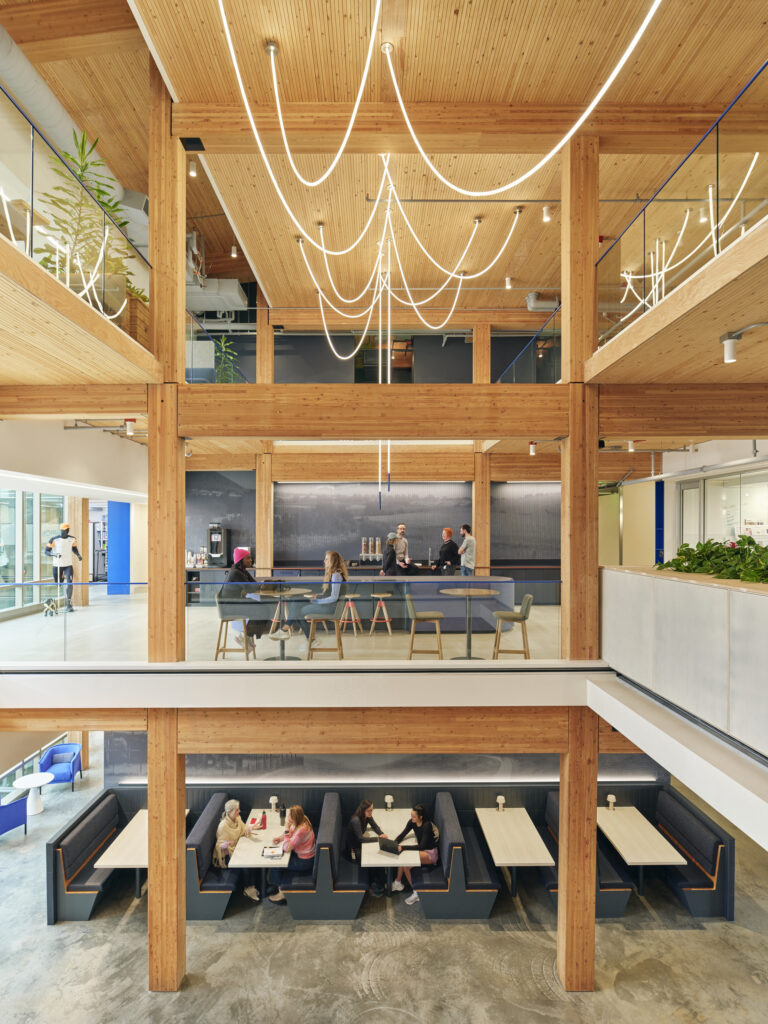
Embodied carbon was a core focus of the projects’ structural design. The building leverages the strength of a Dowel Laminated Timber (DLT) floor system with a glulam structural frame that reduces the building’s carbon footprint compared to steel and concrete construction. Additionally, concrete mixes were optimized and sourced within 10 miles of the project site, each mix supported by a Product Specific EPD. The team used the Revit plugin Tally to calculate the A1-A4 emissions for the building, while the contractor team collected the necessary data used for A5 emissions.
Carbon Offset Providers
Selecting a carbon offset provider took some time as eP had not worked with one in the past. Carbon pricing varies significantly between providers, and there’s also varying levels of transparency within provider practices as to where the money ends up going and credit “durability” (whether a carbon project truly sequesters carbon and for how long). After some research, eP found a reputable provider with very high levels of transparency on their projects. However, when pricing was received it turned out to be cost prohibitive. In the end, Green Mountain Energy turned out to be a good fit in terms of meeting LBC requirements (Green-E certified) and budget constraints. The Team would have liked an option to go with the more transparent provider by paying the same value as the total offset of a more cost-effective provider. We hope ILFI would consider allowing this on future projects as there are many less reputable carbon offset providers on the market, and the offset represents significant sum of money to be paid by the Project.
eP purchased credits slightly early in order to lock in pricing, based off a solid estimate of embodied carbon provided by WSP. At the end of the project, it was determined the shell and core had over-purchased carbon credits based on WSP’s final set of calculations. The TI therefore did not need to purchase additional credits as it was covered by the initial purchase.
I13: Living Economy Sourcing
The majority of the structural components of the building are sourced within the region, as the structural concrete is manufactured within 10 miles of the project site and the mass timber is from just across the border in British Columbia. While sourcing local structural materials was relatively straightforward for the Core and Shell design, the TI project showed the complexity of sourcing finish products locally. Many of the preferred manufacturers in the industry are located in the Midwest or Southeast, making it challenging to positively contribute to this imperative for projects located in the Northwest.
I14: Net Positive Waste
Waste Management
Waste management and diversion were a focus of the project from the beginning. Starting with the development of a waste management plan and holding several coordination calls with the demolition team, and continuing through construction with ongoing coordination with our waste hauler to ensure appropriate single-stream bins were provided and comingled loads taken to higher-performing processing locations.
We met several challenges with respect to diversion along the way, from which we learned valuable lessons. The first came at demolition due to the extent of lead and asbestos present in the existing structure. Large amounts of aggregates and metals were diverted and recycled, but on future projects, we intend to investigate the potential for increased deconstruction of contaminated materials, particularly those with lead paint, to determine whether it will be feasible to divert greater amounts of interior components once exposed.
During construction, we successfully implemented source separation for many waste streams, as our project teams and waste hauling partners are accustomed to these practices on Sellen projects. Where we ran into challenges was with corporate changes in the waste processing industry in the area, and the lack of recycling infrastructure for several waste streams, i.e., insulation. We were not able to address the insulation issue, but we did work with our hauler and identified a processing location with improved RCI-certified diversion rates. The location was over an hour’s drive away, but the diversion delta was over 50%, so the decision was worth it for this project.
Salvaged Materials
Due to the existing building being contaminated with lead and asbestos, the remaining materials were unable to be salvaged (other than kitchen equipment and metal free of lead paint). The team used a mixed approach to ensure the inclusion of salvaged materials in the project. There were products purchased from local resale markets, salvaged office furniture from previous sites, and salvaged site elements. The team identified products that would be highly visible and spread throughout the building and site. As a two-phase project, the team anticipated that there would be more opportunities for the fit out to source salvaged products, and this proved to be the case due to the lack of salvaged opportunity from the demolition process.
I19: Beauty + Spirit
Originally, old-growth timber covered this site down to the lake shore. Over time, the ecological function of the forest had been lost through subsequent development into an industrial working waterfront. First by serving the timber industry and sawmills in the early 1900s and then more recently with marine-focused industrial, shipping, and manufacturing uses.
Early design concepts focused on the opportunities to slow and capture storm water for reuse onsite, echoing the original site hydrology of absorbing rainwater for ecological use by a forest, vs. allowing the rain to run off roadways into massive stormwater lines transferring water offsite. This informed the shape of the sloping roofline, aiding in rainwater capture while also reflecting the local industrial warehouse vernacular architecture.
Mass timber was chosen to celebrate the beauty of timber, its history in the Northwest, as well as for its lower embodied carbon footprint. Being surrounded by natural materials in a work environment has been shown to improve health and wellness for occupants and increase their creativity and productivity, supporting biophilic design strategies. These benefits outweighed the additional cost associated with mass timber at that time.
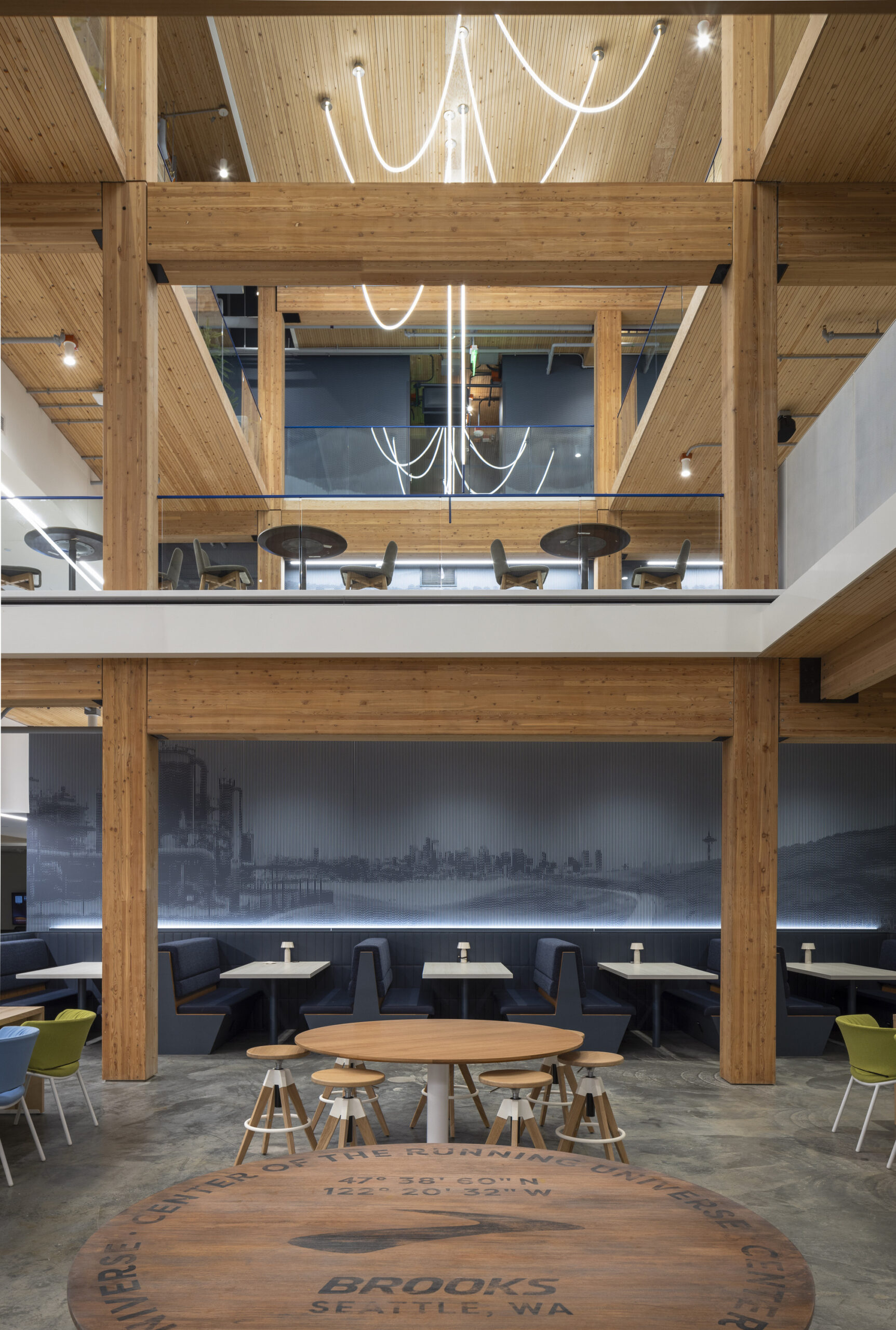
Biophilic design also informed the next layer of design decisions, providing instances of subjective ‘peril’ with long cantilevered decks and high vantage points from the exterior feature stair that entice while offering places of prospect and refuge to experience the outdoor surroundings. The TI design enhanced this exterior circulation by locating collaboration, meeting, and open workspaces on either side of the feature stair along the building’s west side. This brings more transparency into and awareness of Brooks’ design process as people move up and down the building – catching glimpses of product development and connecting all employees with their end product.
The placement of glazing was carefully studied to maximize natural daylighting and views while minimizing heat gain. The Level 5 clerestories were a notable collaboration between Core & Shell and TI teams to bring daylight to a majority of the typical desking areas, as well as a specialized materials library that particularly benefits from additional daylight.
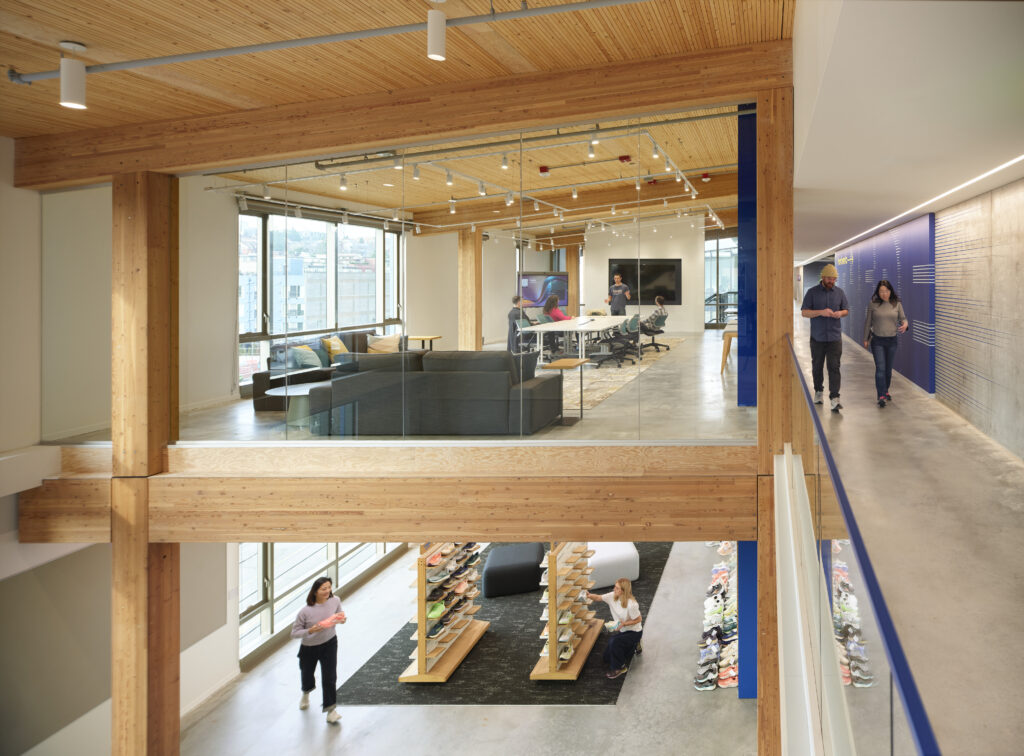
Strategically placed balconies offer unique vantage points and perspectives, allowing employees to observe the city, landscape, or sky from different angles. Direct access to outdoor spaces from the interior office floors allows employees to step outside and immerse themselves in the natural elements.
The opening between Level 1 and 2 includes a grand stair to enter the Brooks workspaces and a branded screen element plays off the changing morning light in the space.
I20: Inspiration + Education
Conceptual Design
With the public facing ‘Living Room’ plaza on Stone Way, the project team saw the opportunity to engage the surrounding community, which includes a daycare and preschool, with signage explaining the history, ecological function, and highlights of the project’s water capture and conservation story. These elements are integrated into the landscape at the entry and extend with additional signage around the site, all contributing to the story about 35 Stone as a Living Building Pilot program project. Weber Thompson worked closely with RMB Vivid to develop a strong narrative that could be communicated independently to the wide range of ages in the surrounding community.
Design Development and Execution
When evolution Projects took over the Project, the educational program was already produced at a conceptual level and locked in with the execution of the City’s Design Review Agreement. This gave a solid baseline to work off while still allowing eP to align the company branding strategy for the final products. Evolution Projects worked closely with Weber Thompson, RMB Vivid and their internal marketing team to establish a graphic design framework of color, font, logo and distilled written content that was critical to informing everything from exterior signage to website, brochure, Open Day marketing, and beyond, and allow a synergy to develop across each piece.
The exterior signage in particular, was a huge lift in terms of aligning content, locations, and expression, in order to keep people moving and discovering the entire site. After several iterative explorations, this was accomplished using signs of varying form and size, and inviting visitors to find additional examples of a given theme scattered around the project. Website development for the digital dashboard and public website was simple in comparison, as so much content had been produced through the production of narratives and signage, which allowed for an integrated message through these different channels.