

Project Overview
The project is an ageing warehouse for wine, where there will be zero occupants after the product is stored.
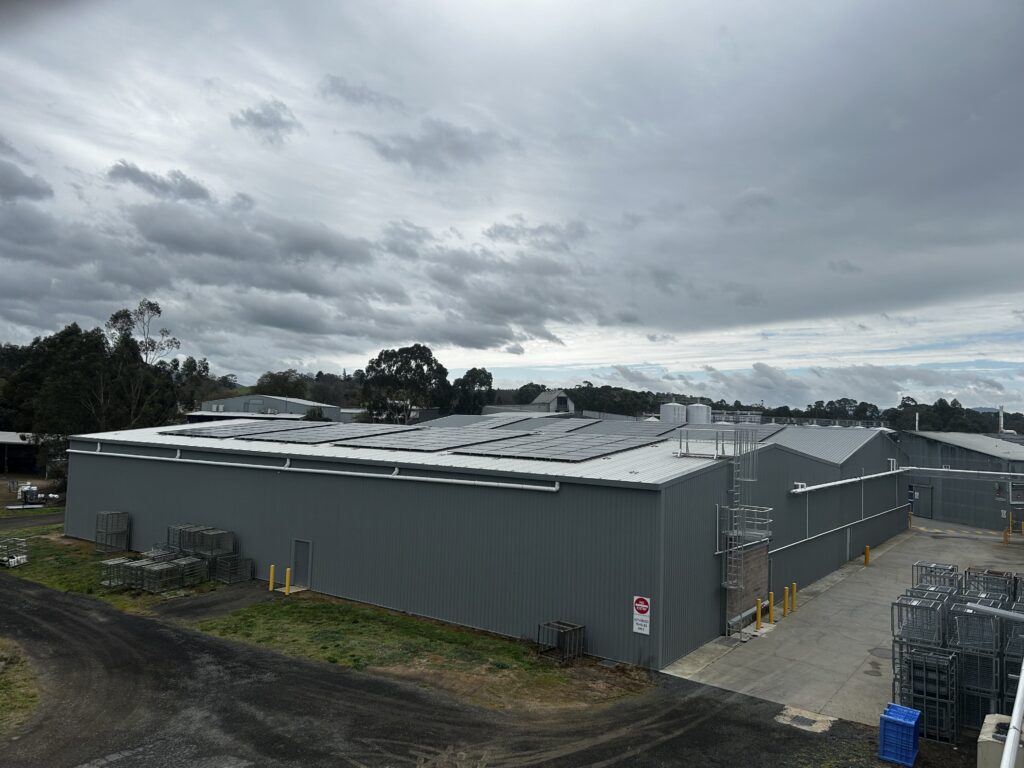
Photo Credit Chris Fraser. Courtesy of Domaine Chandon.
| Project Name | Domaine Chandon Ageing Warehouse |
| Project Location | Coldstream, Victoria, Australia |
| Typology | New Building |
| Gross Building Area | 2,000 square meters (21,500 square feet) |
| Start of Occupancy | 01/30/2024 |
| Building Type | Commercial |
| Number of Occupants | 0 |
Project Team
| Owner | Domaine Chandon Australia Pty Ltd |
| General Contractor | George Rydell Constructions Pty Ltd |
| Architect | Marcos Jose Design |
| Mechanical Engineer | Nexus Refrigeration and Air Conditioning |
| Electrical Engineer | Edison Consultants Pty Ltd |
| Plumbing Engineer | Edison Consultants Pty Ltd |
| Civil Engineer | Bruce Young Partners |
| Mechanical Contractor | Nexus Refrigeration and Air Conditioning |
| Electrical Contractor | Asset Electrical Pty Ltd |
| Structural Engineer | Bruce Young Partners |
| PV System | DSE Tech Pty Ltd |
Early Design Process
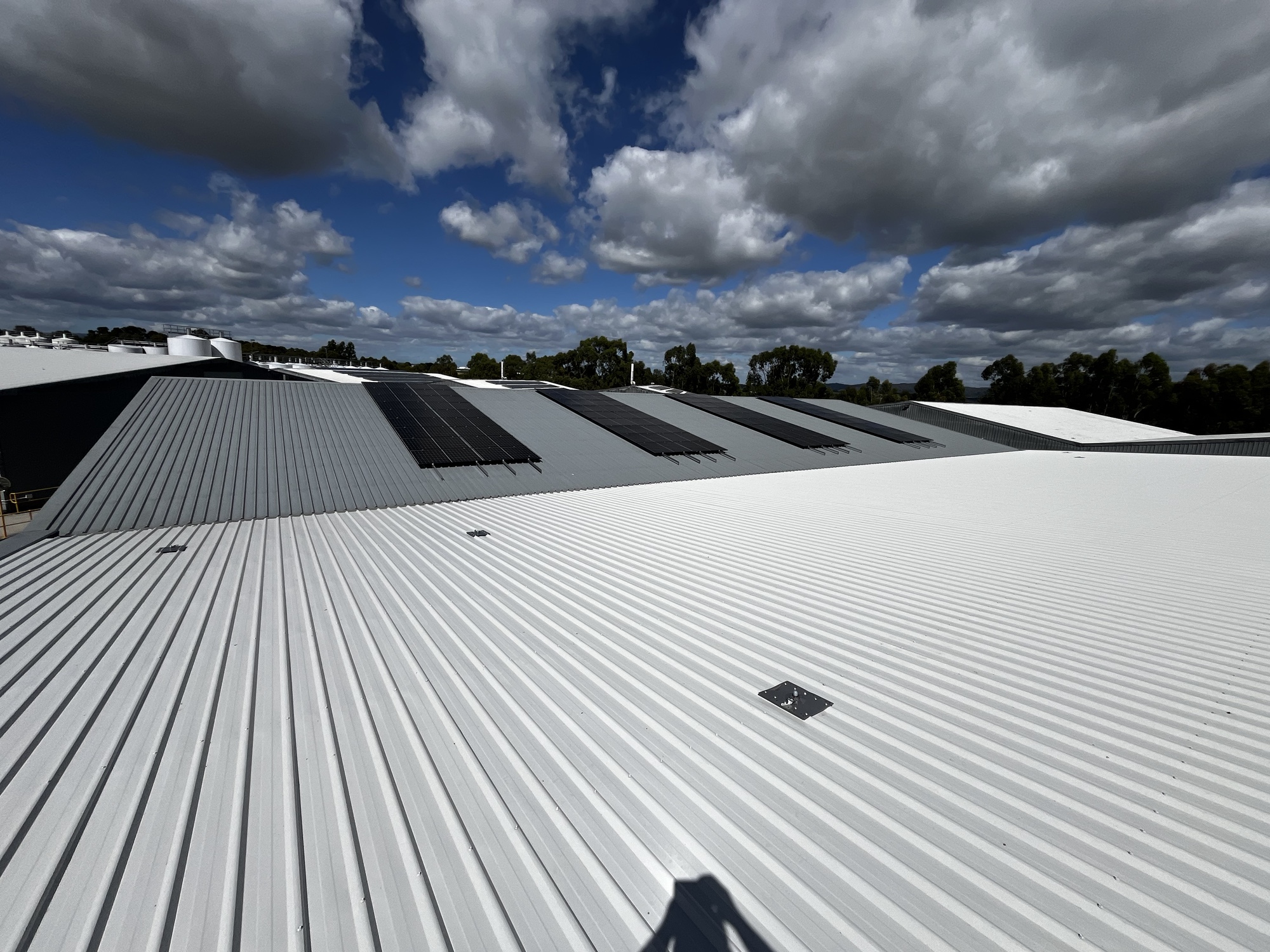
Photo Credit Chris Fraser. Courtesy of Domaine Chandon.
Domaine Chandon initially engaged George Rydell Constructions to design & construct their new aging warehouse in Coldstream Victoria. An increase in storage space as necessitated by an ever increase in business.
Chandon provided an initial design brief which incorporated a requirement for a sustainability element to the design – this was driven by the procurement department in Domaine Chandon France. Although there was not a particular or preferred certification system, George Rydell liaised with a sustainability consultant. Several potential options were identified for a sustainability certification. The Zero Energy certification was one of the options identified and then reviewed. Upon further review and discussions it was decided that the Zero Energy certification was the preferred option as other systems weren’t a great fit given the project was an extension off an existing building, has no office or occupants and is of relatively straightforward construction etc. Other certification tools such as Greenstar weren’t suitable – the Zero Energy certification was seen as comparatively simple but meaningful and very important to Domain Chandon’s requirements.
After several design meetings, the Zero Energy certification option was put in front of the client. Domaine Chandon Australia after consultation with Domaine Chandon France confirmed that Zero Energy was to be targeted for Certification.
Construction

COVER Photo Credit Chris Fraser. Courtesy of Domaine Chandon.
The Zero Energy requirements were investigated by the PV Contractor/Consultant in conjunction with the Mechanical Services Contractor/Consultant and George Rydell Constructions. Based off an estimated power usage (mainly Airconditioning load) of the space required, the consultants derived the PV system was sized to match, with a 25% addition to cover lighting & sundry power requirements. Approximated power draw for each of the warehouses is 17.5kW (based on calculated peak room heat loads and peak design cooling demand at +11°C / +5°C chilled water and +40°C ambient). So the existing warehouse #12 was estimated to require a PV array of 17.5kW+25% = 21.875 kW. PV array designed utilized 72 number 415W panels, total optimum size of 29.88kW.
Although New Warehouse #13 required identical Power requirements, the design team believed it would be in the interests of all stakeholders to allow for a PV array was sized with an additional contingency to account for winter weather poor light conditions. The PV array designed for WH13 designed was 128 number 415W panels with a total optimum size of 53.12 kW. WH 12 & 13 total PV ultimately allowed for an optimal system of 83 kW. As George Rydell were the General Contractor and the PV & Mechanical Services contractors were also the consultants for those disciplines, it can be seen their involvement regarding the design process was from the outset.
The team utilised an online documentation portal called Procore to effectively disseminate and distribute design information, put forward queries and thereby answer any design issues. The ability for the team to share their designs quickly & easily was paramount to any design issues being reviewed at the regular Design Meetings that were held. As such, by using this tried and tested system, the team did not encounter any issues that would impact Certification regarding the design.
Occupancy
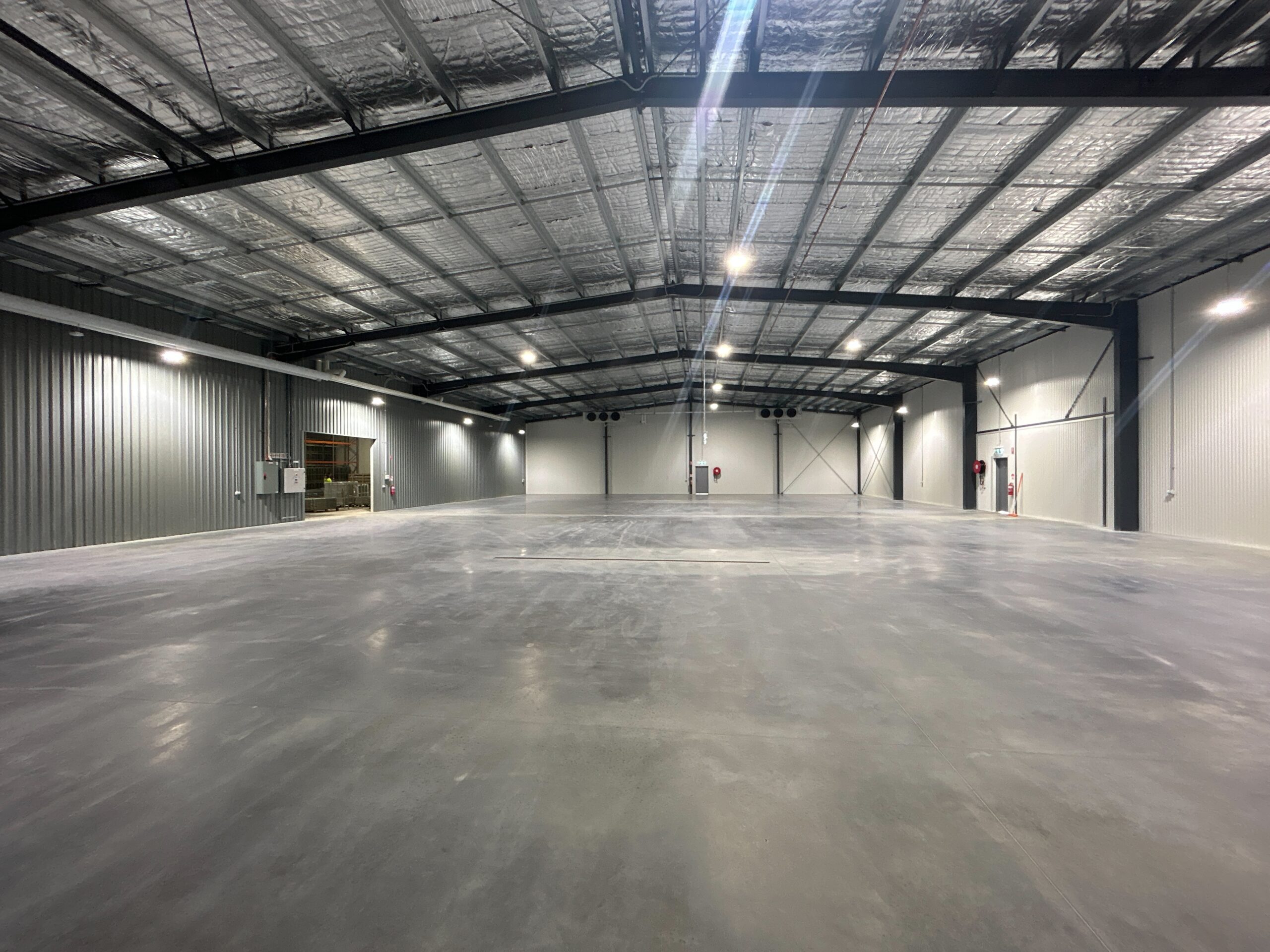
COVER Photo Credit Chris Fraser. Courtesy of Domaine Chandon.
The project performance period began approximately six months after the main structural works had been completed and the PV system had been put online. The monitoring system for the Central Plant took several months to get up and running accurately, i.e., the power usage isolating WH12 & 13 from the central plant had not started logging correctly until June 2024. The original estimate of monitoring had to shift from starting in December 2023 to June 2024; therefore, the 12-month monitoring period was due to be completed by June 2025.
The monitoring period was proceeding well until February 2025. The February 2025 Central Plant report showed irregularities in the values provided. The Mechanical Consultant was contacted and investigated the issue. The issue was rectified during the March monitoring period; however, as the values were contaminated, the results of the March report were scrapped and not included in the Energy Demand Table. The April 2025 monitoring was accurate, and the monitoring continued. The team therefore decided to extend the monitoring by the months lost, so the final month of monitoring changed to August 2025.
The issues regarding the monitoring were not a direct result of the occupants or the users of the space (as there are no real occupants for the space, as it’s used as storage). The monitoring of the PV system has had no issues, as the online Solar Analytics Portal has been flawless. Although one lesson that may be utilised for other projects would be to include a backup battery with email notifications to alert custodians of any offline issues or anomalies.